
Small Town Heritage: The Proven Power of Rural Cultural Preservation
How heritage conservation fuels tourism, strengthens identity, and supports sustainable rural economies
Week 3 – September 2025 | Heritage & Tourism Series
Rural Cultural Preservation is emerging as a powerful tool for building cultural resilience in rural communities. Stewardship of authentic local heritage makes heritage tourism a game changer. By protecting rural cultural landmarks, honoring local traditions, and investing in community-driven preservation, small towns are not only preserving their identity—they’re creating new economic opportunities and revitalizing civic pride.
From adaptive reuse in small towns—like turning historic barns into community hubs—to rural storytelling and tradition passed through festivals and oral histories, these efforts reinforce a deep sense of belonging. At the same time, they invite visitors seeking authentic experiences rooted in intangible cultural heritage and rural history tourism.
In this edition, we’re going to discuss cultural preservation in the rural context, heritage tourism and economic development, goals and actions for preservation and promotion, and planning for sustainability. We’ll also look at a few of the many programs across the U.S. which support rural cultural preservation and heritage tourism.
In an age where many places risk losing their unique character, preserving rural identity isn’t just about looking back—it’s about moving forward with purpose. Across America, communities are embracing grassroots heritage planning to celebrate small town cultural revival, foster local pride, and ensure their stories live on.

What Is Cultural Preservation in a Rural Context?
Tangible Assets: Anchoring the Landscape
Cultural preservation in rural communities goes far beyond saving old buildings—it encompasses the full spectrum of physical places and lived traditions that together create a community’s identity. Understanding the scope of what can and should be preserved is essential for developing strategies that resonate locally and support long-term sustainability.
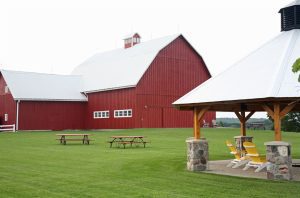
Rural America is rich with historic structures that reflect generations of local life and labor. These physical places help define the visual identity and historical narrative of a community:
- Historic Barns and Outbuildings: Once essential to working farms, these structures now serve as visual markers of agricultural heritage. Preservation can mean rehabilitation for continued agricultural use, adaptive reuse for agritourism, or simply stabilization for interpretation.
- Old Schoolhouses and Churches: Often among the first public buildings constructed, these sites served as cornerstones of rural life. Preserving them retains a direct link to shared community experiences and values.
- Main Street Storefronts: From general stores to soda fountains, these commercial buildings can be revitalized as local businesses, museums, or community centers—retaining their character while adapting to today’s needs.
- Agricultural Landscapes: Fields, stone walls, tree lines, and irrigation systems may seem natural, but many are cultural landscapes shaped by generations of human activity. Preserving these patterns maintains the rural “look and feel” that many residents and visitors cherish.
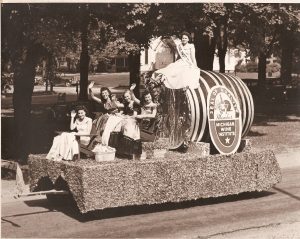
Intangible Heritage: Keeping Traditions Alive
Not all culture can be touched. Much of rural heritage lives in the stories, skills, and rituals passed down from one generation to the next. This intangible heritage gives life and meaning to physical spaces:
- Local Crafts: Quilting, blacksmithing, woodworking, and weaving are more than hobbies—they are expressions of place-based knowledge.
- Music and Oral Traditions: From Appalachian ballads to cowboy poetry, rural areas host rich traditions of performance and storytelling that shape collective memory.
- Festivals and Rituals: Harvest festivals, powwows, and ethnic celebrations reflect diverse rural histories and offer opportunities for cultural exchange and education.
- Languages and Dialects: Some rural areas preserve endangered Indigenous or ethnic languages, which are key to cultural identity and continuity.
- Foodways: Recipes, foraging practices, and agricultural techniques often carry deep local significance, linking residents to land and ancestry.
Why It Matters: A Sense of Place and Belonging
Cultural preservation supports more than aesthetics—it fosters resilience, cohesion, and pride. These tangible and intangible assets:
- Build Community Identity: Culture tells the story of who a community is and where it has been. Preserving it strengthens intergenerational bonds and invites newcomers to participate in that story.
- Attract Visitors and Residents: People are drawn to places with character and history. Preserved culture is a key differentiator in economic development, particularly for heritage tourism and creative industries.
- Support Education and Continuity: Teaching heritage ensures that traditions are not lost and that young people understand their place in the broader community narrative.
Preserving rural culture, then, is not just an act of nostalgia—it’s a strategy for resilience, cohesion, and local prosperity.
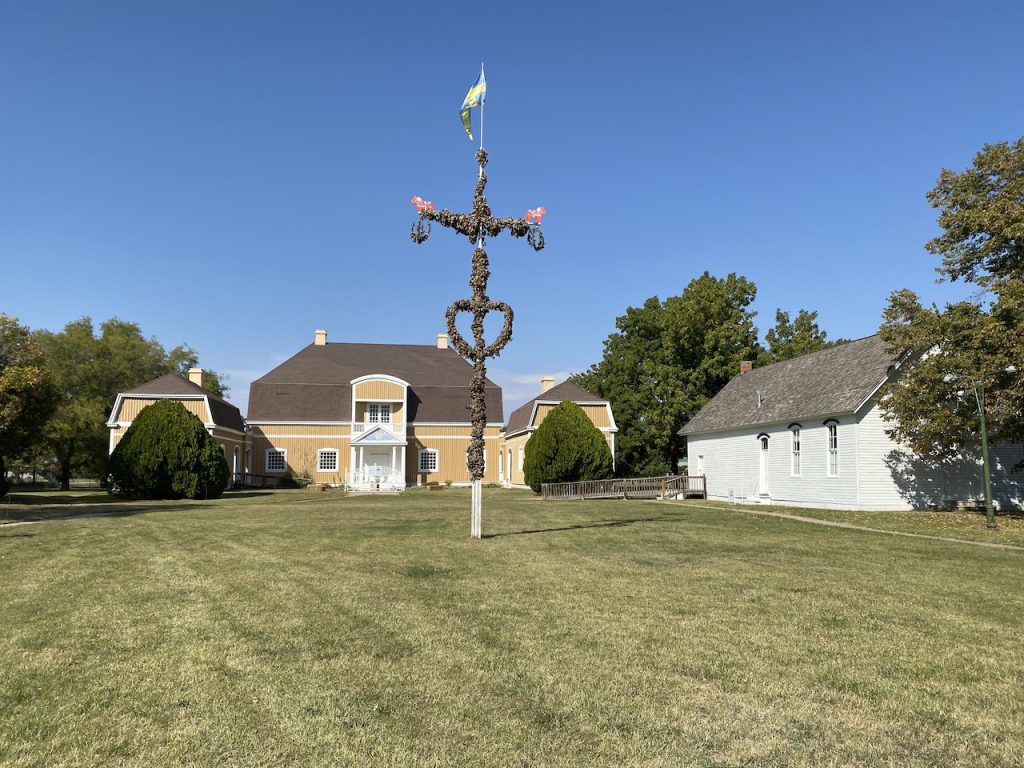
Case in Point: Preserving Place Through Tradition in Lindsborg, Kansas
Known as “Little Sweden USA,” the small town of Lindsborg, Kansas offers a powerful example of rural cultural preservation in action. Settled by Swedish immigrants in the late 1800s, the community has made deliberate efforts to preserve both tangible and intangible cultural heritage.
- Tangible Assets: The town has restored historic downtown buildings and created museums that showcase Swedish-American history and local art. The Lindsborg Old Mill & Swedish Heritage Museum celebrates and preserves the pioneering spirit of the Smoky Valley by educating, entertaining, and building community across generations, bringing history to life. The museum complex includes the 1904 Swedish Pavilion (brought from the St. Louis World’s Fair), historic farm buildings, and a blacksmith shop, all dedicated to celebrating the Swedish-American experience. History buffs will find much to explore, including Coronado Heights (a scenic sandstone castle and park), the 1870 homestead cabin, and the nearby Höglund Dugout, an early Scandinavian settler’s home from 1868. The Prairie Trail Scenic Byway passes through Lindsborg, connecting visitors with landscapes traversed by Native Americans, pioneers, and European explorers.
- Intangible Heritage: Lindsborg hosts the biennial Svensk Hyllningsfest, October 17 and 18, 2025, a Swedish heritage festival featuring traditional music, dance, costumes, and food—they even serve lutefisk for hardy Norse souls. Local schools even teach elements of the Swedish language and culture. Year-round, the town’s streets are adorned with brightly painted “Wild Dala Horses,” folk art sculptures symbolizing Swedish heritage, which form the basis for a local scavenger hunt and walking tour.
We really enjoyed our visit and plan to be back soon. Check out Chris Solberg’s destination profile of Lindsborg on his Rural Resurrection blog from earlier this year.
This cultural branding has helped Lindsborg attract visitors year-round and foster a strong sense of community identity. Cultural preservation here isn’t just about history—it’s about living heritage and economic vitality.
Toolbox: How to Begin a Cultural Inventory in Your Community
A cultural inventory helps rural communities document and protect their heritage. Here’s a step-by-step guide to get started:
- Convene a Heritage Committee: Pull together a wide ranging group of the willing—elders, artists, business owners, tribal leaders, and youth—keeping it light on the meetings and focus on the doings.
- Identify Tangible Heritage: List historic buildings, landscapes, cemeteries, infrastructure, and public art.
- Capture Intangible Culture: Conduct interviews about stories, traditions, food, crafts, and local events.
- Use Mapping Tools: Plot sites and events on a GIS or hand-drawn map to visualize cultural clusters.
- Engage the Public: Host a “Culture Night” or “Memory Map” session where residents contribute items and memories.
- Document and Share: Use photos, audio, and written records to build an archive that can support grant applications, signage, or digital storytelling.
A good inventory becomes a living document that guides planning, funding, and education—preserving the soul of the community for future generations.

Heritage Tourism as a Tool for Economic Development
Heritage tourism—travel that focuses on experiencing the places, artifacts, and activities that authentically represent the stories and people of the past—is one of the most effective and sustainable forms of rural economic development. Unlike mass tourism, heritage tourism emphasizes depth over volume, attracting visitors who value authenticity, engage with local culture, and are often willing to spend more to support meaningful experiences.
Stats and Trends: Heritage Travelers Bring High Value
- Higher Spending: According to the U.S. Travel Association, cultural heritage travelers spend, on average, 60% more per trip than other leisure travelers.
- Longer Stays: These travelers often extend their visits to fully engage with local culture, history, and landscape.
- Year-Round Appeal: Unlike seasonal tourism tied to natural features, heritage sites and events can attract visitors throughout the year.
- Destination Differentiation: In a competitive tourism market, cultural identity gives small towns a unique edge.
Local Economic Impact: Culture as a Job Creator
Heritage tourism creates ripple effects that benefit the entire community, particularly small businesses and creative entrepreneurs:
- Small Museums and Heritage Centers: Provide educational content and anchor historic districts.
- Walking Tours and Trails: Offer low-impact ways to engage with local architecture, landscapes, and stories.
- Cultural Festivals and Events: Boost hospitality, retail, and food service sectors during shoulder seasons.
- Historic Site Restoration: Generates skilled labor demand (masons, carpenters, craftspeople) and often leverages local materials and know-how, plus it creates more interesting places to live and work.
- Creative Businesses: Artists, musicians, and makers find markets through heritage-focused tourism.
When planned thoughtfully, these activities also reinforce community pride and quality of life—making towns more attractive to residents and newcomers alike.
Challenges in Cultural Preservation
While the benefits of cultural preservation and stewardship of resources are clear, communities also face real challenges in putting these ideas into practice. Funding and ongoing maintenance costs can strain small-town budgets, especially when historic buildings require specialized care. Community resistance may surface if preservation is seen as favoring tourism over local needs, or if certain voices feel excluded from the narrative. Many developers and architects, as well as investors, resist the constraints of historic standards. And in places that become very popular, over-tourism can overwhelm infrastructure, disrupt daily life, and even damage the very resources being celebrated.
The key to overcoming these challenges lies in balanced planning and inclusive engagement:
- Building broad community support before launching projects
- Seeking diverse funding sources, including partnerships and grants
- Establishing clear principles and procedures for how visitors interact with local heritage sites and the community overall.
By addressing these concerns proactively, communities can ensure that preservation strengthens resilience instead of creating new pressures.

Case Study: Junction City, Oregon – Revitalizing a Town Through Heritage Celebration
Tucked between farmland and forest in Oregon’s Willamette Valley, the small town of Junction City (population ~6,000) offers a striking example of how a cultural festival can breathe new life into a rural community. Facing economic decline and a fading downtown due to bypassing interstate traffic, the town turned to its Nordic roots—and the power of celebration.
A Festival Rooted in Heritage
In 1961, local residents launched the Scandinavian Festival to honor the town’s Danish, Swedish, Norwegian, and Finnish heritage. Over time, it has grown into a four-day event every August that transforms the streets of downtown into a vibrant open-air celebration:
- Traditional Music & Dance: Stages host Nordic folk dancers, musicians, and storytelling troupes.
- Cultural Demonstrations: Craftspeople demonstrate rosemaling, weaving, blacksmithing, and woodcarving.
- Food & Costumes: Visitors enjoy Scandinavian dishes served by volunteers in handmade period attire.
- Youth Involvement: School programs encourage local children to participate in dance troupes and volunteer activities.
Economic & Cultural Impact
- The festival routinely attracts tens of thousands of visitors, far exceeding the local population.
- Downtown businesses benefit from increased foot traffic, while temporary vendor spaces provide opportunities for local artisans and food producers.
- The town has leveraged the event’s visibility to enhance its identity and branding, even outside of festival season.
In 2014, the festival was officially recognized as an Oregon Heritage Tradition by the Oregon Heritage Commission—a designation reserved for events that reflect the state’s history and culture over multiple generations.
Lessons for Other Communities
- Authenticity Matters: The festival’s success is built on genuine cultural expression, not commercial spectacle.
- Volunteer-Led, Community-Driven: The event is still largely organized by local residents, ensuring it reflects local values.
- Multi-Generational Engagement: Involving youth in traditions strengthens cultural continuity and ensures future leadership.
Takeaway: Junction City didn’t just create an event—they built a cultural ecosystem rooted in place. Their story shows how honoring small town heritage can inspire pride, attract visitors, and sustain community identity over decades.
Policy Strategies to Support Heritage Tourism
Heritage tourism thrives when communities align cultural preservation with economic development through smart policy and planning. Here are some strategies that local governments and communities can use:
1. Integrate Heritage in Local Planning
- Cultural Asset Mapping: Include historic sites, cultural districts, and community landmarks in comprehensive and tourism plans.
- Overlay Zoning or Historic Districts: Protect architectural character while allowing adaptive reuse. This helps preserve the look and feel of the community while encouraging investment.
- Design Guidelines: Offer visual standards for signage, storefront restoration, and streetscaping to enhance visitor experience and cohesion.
2. Offer Incentives for Preservation and Tourism
- Façade Improvement Grants: Encourage businesses to restore historic storefronts with small matching grants or low-interest loans.
- Tax Incentives: Use state or federal tax credits for the rehabilitation of income-producing historic properties.
- Small Business Support: Provide microloans, business development workshops, or shared marketing resources for heritage-related enterprises (e.g., B&Bs, artisan shops, food vendors).
3. Invest in Marketing and Interpretation
- Branding Around Heritage: Develop a clear identity that emphasizes the town’s cultural uniqueness—whether that’s a “cowboy capital,” “river heritage district,” or “settler crossroads.”
- Wayfinding and Interpretation: Install signs, walking tour brochures, and digital apps to guide visitors through the community’s history and culture.
- Collaborative Tourism Campaigns: Partner with regional or state tourism offices to feature local festivals, trails, and events in broader marketing efforts.
4. Build Partnerships and Participation
- Civic Engagement: Involve local residents in shaping the tourism vision to ensure community buy-in and authenticity.
- Regional Heritage Trails or Loops: Collaborate with nearby towns to create themed routes (e.g., civil war history, Indigenous heritage, barn quilts).
- Public-Private Partnerships: Work with landowners, preservationists, and local businesses to balance public access with resource stewardship.
5. Sustainability Planning
- Visitor Management Plans: Protect sensitive cultural and environmental areas with guidelines for parking, trail use, and visitor capacity.
- Climate-Resilient Preservation: Assess and adapt vulnerable sites—especially in flood-prone or wildfire-prone regions.
- Long-Term Stewardship Funds: Create revolving funds or endowments for ongoing maintenance of cultural sites.
Resource Tip
Organizations such as the National Trust for Historic Preservation and National Park Service (Heritage Tourism Program), provide toolkits and funding guidance for communities looking to build or expand heritage tourism programs.

Goals and Actions for Preservation and Promotion
Successful rural cultural preservation doesn’t happen by accident—it requires creative goals, intentional action, community involvement, and strategic promotion. Rural communities can protect their heritage and share it meaningfully with visitors by combining practical preservation efforts with creative interpretation and education. This section outlines proven strategies for keeping culture alive and visible.
Adaptive Reuse: Giving Old Buildings New Life
One of the most effective ways to preserve rural heritage is to repurpose historic structures for modern needs, a practice known as adaptive reuse.
- Old Schools → Community Centers: Rural schoolhouses have been transformed into town halls, art galleries, or event spaces while preserving original architecture.
- Churches → Music Venues: Some communities have turned unused churches into performance venues, blending spiritual and cultural heritage with contemporary use—they tend to have excellent acoustics.
- Barns → Agritourism Hubs: Historic barns can host farm-to-table dinners, weddings, or farmer training programs, connecting the past with present economic activity.
Preservation Tip: Embrace the “repair, don’t replace” ethic to retain as much original material and craftsmanship as possible. Seek input from state historic preservation offices (SHPOs) or local preservation consultants early in the process. Consult professionals about Commercial building codes and safety rules, especially with public assembly and events.
Cultural Events: Making Heritage Come Alive
Festivals and events are powerful tools to celebrate local culture and engage both residents and visitors.
- Heritage Days or Homecoming Events: Annual events can become key moments for community pride and reunions.
- Ethnic or Indigenous Celebrations: Powwows, fiestas, or Oktoberfests reinforce identity and educate the wider public.
- Hands-On Demonstrations: Showcasing traditional skills like blacksmithing, quilting, or beekeeping draws interest and creates interactive learning opportunities.
Promotion Tip: Use social media and regional tourism platforms to market these events widely, but also create print materials for local outreach (e.g., flyers at feed stores, post offices, and diners).
Interpretation and Education: Tell the Story Behind the Place
Preservation isn’t only about keeping culture—it’s about communicating it. Interpretation helps both visitors and locals understand why a place or tradition matters.
- Interpretive Signage: Install informational panels at historic sites, trails, or districts that explain their significance.
- Self-Guided Tours: Create walking tour brochures or mobile app guides with maps, images, and audio clips.
- In-Classroom Education: Integrate local history into school curricula or involve students in heritage projects and oral histories.
- Storytelling Projects: Collect and archive oral histories from elders, veterans, and community leaders.
Technology Tip: Platforms like StoryMapJS, Clio, or OnCell offer user-friendly tools for creating digital heritage trails and interpretive experiences.
Community Engagement: Ensuring Local Buy-In
Heritage preservation is most successful when driven by the people it affects. Genuine community participation ensures cultural efforts are locally rooted and widely supported.
- Heritage Committees or Councils: Engage a diverse group to guide efforts and build public support, just keep it light on bureaucracy.
- Youth Involvement: Encourage schools and youth clubs to take part in cultural documentation and storytelling.
- Volunteer Days: Organize cleanup or restoration days at cemeteries, historic sites, or trails.
Sustainability Tip: Rotate leadership and training to avoid burnout and keep the effort resilient over time. Ask people to do tasks rather than sit on another committee.

Case in Point: Rugby, North Dakota – Telling the Story of a Rural Crossroads
Nestled near the geographical center of North America, Rugby, North Dakota (population ~2,800) has embraced its cultural and historical identity as a way to preserve its past and shape its future. Rugby is also the gateway from US Highway 2 to the International Peace Gardens, located 45 miles to the north on the US-Canadian border (we talked about the unique site back in August).
The Challenge:
Like many rural towns, Rugby faced the erosion of its downtown core, a declining population, and the threat of losing touch with its cultural heritage. Yet, the town also had unique assets: a central location, rich settler history, and ties to Native American culture.
The Strategy:
A multi-faceted approach brought heritage to the forefront:
- Adaptive Reuse: The town restored the historic Great Northern Railroad Depot and repurposed it as a local museum and visitor center, while still in use as the Amtrak Depot. This became the cornerstone of its heritage tourism strategy.
- Annual Events: Rugby launched the “Village Fair” at the Prairie Village Museum—an outdoor event with blacksmithing demos, pioneer reenactments, and local music.
- Interpretation: The museum expanded with interpretive signage and anchors a recreated pioneer town, showcasing rural life from the late 1800s to mid-1900s. Local students helped collect oral histories from elders for museum exhibits.
- Community Engagement: A Heritage Committee formed to coordinate preservation efforts, supported by volunteers and small grants from the state’s Cultural Heritage Fund.
- Education Partnerships: The local school district partnered with the museum for hands-on history days, where students learn crafts like rope-making or butter churning.
The Results:
- Increased tourism traffic led to new businesses opening near the museum and along Main Street.
- The museum’s success helped secure funding for further building preservation.
- Rugby was featured in a 2024 “My Town” docuseries with six other rural communities in Minnesota, Iowa, and Wisconsin.
- The community now has a greater sense of pride and cohesion, especially among youth involved in storytelling and event planning.
Takeaway: Rugby’s story shows that rural heritage preservation doesn’t require massive resources—just commitment, collaboration, and creative use of what’s already there.

Planning for Sustainable Tourism
As rural communities embrace heritage tourism, one of the greatest challenges is balancing tourism growth with the protection of cultural and natural resources. When not managed thoughtfully, increased visitor traffic can lead to overcrowding, wear and tear on historic sites, and even a loss of the very authenticity that made the community attractive in the first place. Sustainable tourism planning ensures that cultural preservation and community well-being remain front and center.
Community-Based Planning: Locals Know Best
The most successful heritage tourism strategies are rooted in local knowledge, values, and leadership. Community-based planning ensures tourism benefits are shared equitably and that development doesn’t outpace infrastructure or public will.
- Engage Stakeholders Early: Include local government, historical societies, tribal representatives, business owners, educators, and youth in tourism planning processes.
- Facilitate Public Input: Use town halls, surveys, and interactive mapping to gather concerns and ideas.
- Develop a Shared Vision: Build consensus on the type of tourism the community wants—low-impact, educational, high-volume, seasonal, etc.
Equity Note: Pay special attention to underrepresented voices—such as Indigenous communities, immigrant populations, and youth—whose heritage may not yet be fully recognized or interpreted.
Balancing Access and Protection
Tourism should enhance rather than exploit cultural resources. Strategies that manage visitor access help protect both the integrity of heritage sites and the quality of the visitor experience.
- Limit Physical Wear: Use boardwalks, fencing, or timed entry at sensitive sites like archaeological ruins or pioneer cemeteries.
- Disperse Visitors: Promote off-peak visits or secondary sites to spread economic benefits and reduce crowding.
- Respect Cultural Protocols: Work with Indigenous or faith-based communities to define what can be shared publicly and what should remain private or ceremonial.
Environmental Tip: Encourage eco-friendly tourism practices, such as reusable water stations, bike rentals, and sustainable transportation links to nearby attractions.
Tools and Policies That Support Sustainability
Integrating heritage tourism into broader land use and development policies helps align goals and avoid future conflicts.
Planning Tools:
- Heritage Overlay Zoning: Adds a cultural preservation layer to existing zoning maps to protect visual character and historic use patterns.
- Tourism Impact Assessments: Analyze infrastructure capacity, housing impacts, and cultural sensitivity before launching large events or tourism campaigns.
- Rural Design Guidelines: Set standards for signage, building materials, and lighting in heritage districts to maintain character.
Policy and Funding Supports:
- Bed Tax Allocations: Dedicate a portion of local lodging taxes to site maintenance, event promotion, and small business support.
- Heritage Management Plans: Document community values, site conditions, and preservation priorities in a living planning document.
- Public-Private Agreements: Use MOUs or easements to coordinate stewardship of heritage sites between nonprofits, private owners, and local governments.
Rural Smart Growth: A Broader Framework
Heritage tourism fits well within smart growth principles adapted for rural settings:
- Preserve Open Space and Cultural Landscapes
- Strengthen Existing Communities
- Create Walkable Town Centers
- Encourage Collaboration Across Jurisdictions
When aligned with rural land-use planning and transportation investments, heritage tourism becomes part of a cohesive strategy for sustainable rural development.

Programs That Support Rural Cultural Preservation
Rural communities don’t have to do it all on their own. A wide range of federal, state, and local programs exist to support cultural preservation and heritage tourism. These resources—financial, technical, and institutional—can help protect key assets, build capacity, and connect communities to regional and national networks of support.
National Heritage Areas (NHAs): Storytelling at Scale
National Heritage Areas are federally designated cultural landscapes where historic, natural, and recreational resources combine to tell a nationally significant story.
- Community-Led, Federally Supported: NHAs are not owned by the federal government. Voluntary local partnerships lead the way, supported by the National Park Service through funding and technical assistance.
- Economic and Cultural Impact: A 2021 study found that NHAs generate more than $1.2 billion in economic activity annually.
- Examples with Rural Roots:
- Cache La Poudre River NHA (CO): Showcases Western water history, Indigenous heritage, and farming culture.
- Mississippi Delta NHA (MS): Highlights the musical, agricultural, and civil rights heritage of one of America’s most iconic rural regions.
- Champlain Valley NHA (NY/VT): Focuses on French and English colonial history, Revolutionary War sites, and rural landscapes.
There are similar initiatives in other nations which seek to protect large landscapes or cultural corridors with significant historic, cultural, and natural value, often emphasizing community partnerships, interpretation, and sustainable development. For example:
- Europe: The European Heritage Hub, funded by the EU, supports large-scale heritage projects, regional cooperation, and the networking of cultural landscapes and routes, such as the transnational “Silk Roads Heritage Corridors” project. This model emphasizes collaboration across countries, the integration of heritage and tourism, and stakeholder capacity-building.
- United Kingdom: The UK designates extensive “Heritage Coasts,” “Areas of Outstanding Natural Beauty,” and heritage-focused trails and landscapes. The National Trust and English Heritage oversee regional cultural landscapes and historic sites through partnerships with landowners and local authorities.
- Australia: Heritage areas and routes, such as those surrounding UNESCO World Heritage Sites (e.g., the Great Barrier Reef), are managed at federal and state levels, often with broad mandates for education, nature conservation, and community storytelling,
Why It Matters: Even if a rural community isn’t in a designated NHA, nearby areas can offer partnership models, funding access, and promotional benefits through regional branding.
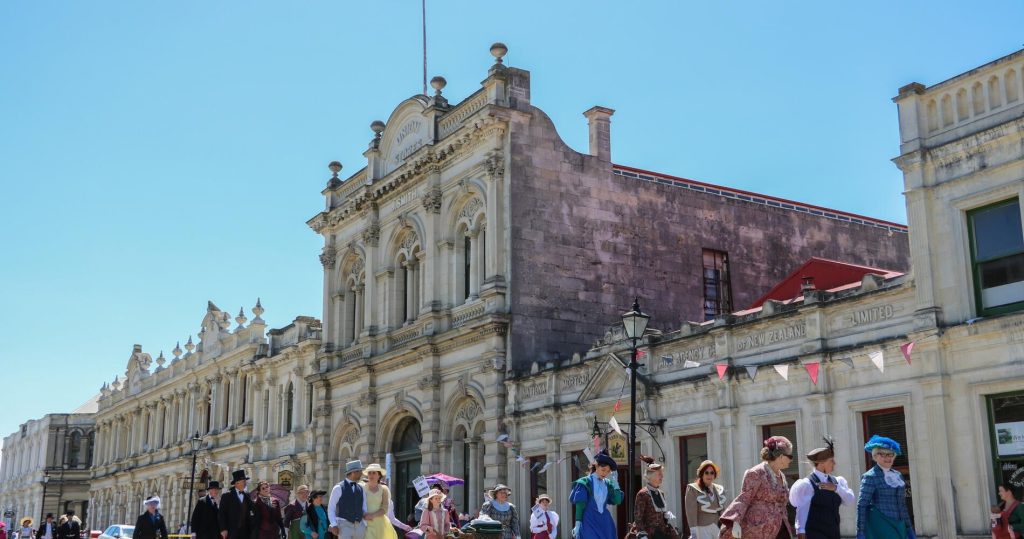
Case in Point: Oamaru, New Zealand
Last week, heritage planner Dan Windwood from Auckland suggested we look at Ōamaru in New Zealand. I am glad he did. the community has a population of about 14,000, the main town in the Waitaki District, located in the Ōtākou region on the South Island of New Zealand. The community sits on Friendly Bay on the east side of the island.
Heritage tourism in Ōamaru centers on its exceptionally preserved Victorian architecture, vibrant cultural events, and distinctive attractions rooted in the town’s colonial past. Ōamaru is renowned for its Historic Precinct, a restored commercial district showcasing striking 19th-century buildings made from local whitestone, making it one of the country’s finest examples of Victorian-era streetscapes.
Ōamaru preserves its heritage not only through built structures but through immersive experiences, such as guided architecture tours, artisan markets, and Victorian fashion events. According to the Guardian newspaper, it is even considered the world’s “unlikely” capital of steampunk, drawing enthusiasts from around the globe. The Steampunk NZ Festival this year was held the last weekend in May. The Ōamaru Public Gardens, founded in 1876, are among the country’s oldest, featuring mature exotics, ornamental sculptures, and a tranquil setting that reflects the town’s 19th-century aspirations.
Beyond the town center, attractions like the Totara Estate and the mysterious Moeraki Boulders on Koekohe Beach highlight both agricultural and geological history, enriching the area’s layered sense of heritage. The region’s success with heritage tourism comes from the careful preservation of its character, a welcoming local community, and memorable festivals and attractions that draw visitors into Ōamaru’s distinctive past
Grant and Funding Opportunities
Preservation often requires financial resources that are beyond the capacity of local budgets. Fortunately, multiple grant programs can fill the gap… assuming they are still around:
Federal Programs:
- Historic Preservation Fund (HPF): Administered by SHPOs, HPF grants support planning, surveying, and rehabilitation of historic places.
- Save America’s Treasures: Supports preservation of nationally significant properties and collections.
- National Endowment for the Humanities (NEH): Offers grants for interpretation, exhibits, and public history projects.
- Rural Development Programs (USDA): Community Facilities and Business Grants can be used for cultural centers, museums, or event infrastructure.
State and Local Grants:
- Many states have their own historic preservation trusts or heritage commissions offering small grants or matching funds.
- Local governments or regional planning agencies may offer façade improvement funds, event sponsorships, or business development microgrants.
Tip: Partnering with nonprofits, educational institutions, or tribal governments can open up additional eligibility pathways for funding.
Collaborations That Strengthen Efforts
Preservation is most effective when it’s woven into local networks of leadership and learning. Consider forming or joining partnerships like:
- Main Street Programs: Focus on revitalizing historic downtowns through economic development, design, and local capacity-building.
- Land Trusts and Conservation Groups: Help preserve rural landscapes as part of cultural landscapes and viewscapes.
- Tribal Heritage Programs: Indigenous communities often run their own cultural preservation and language revitalization efforts, and collaboration can support mutual goals.
- Tourism Alliances: Regional partnerships help small towns pool resources for marketing, signage, and event calendars.
Strategic Tip: Use these partnerships to advocate for cultural preservation in larger regional planning efforts, such as transportation plans, hazard mitigation, and economic recovery strategies.
Resource Box: Where to Start
- Advisory Council on Historic Preservation (www.achp.gov)
- National Trust for Historic Preservation (savingplaces.org)
- National Association of Tribal Historic Preservation Officers (nathpo.org)
- Main Street America (mainstreet.org)
- The Conservation Fund (www.conservationfund.org)
- Grants.gov (search “historic preservation” or “rural development”)

Conclusion: Preserving the Past to Build the Future
Rural cultural preservation is not a luxury—it’s a strategy. It’s a way to honor the past, celebrate the present, and secure the future of small towns and rural regions across the country. By protecting historic buildings, nurturing living traditions, and promoting cultural experiences through thoughtful tourism, rural communities create places that are not only economically viable but also emotionally resonant.
More than a tourism strategy, heritage preservation builds identity, resilience, and shared purpose. It strengthens what makes a place special—what makes it home.
Call to Action: Your Heritage, Your Voice, Your Plan
Whether you’re a town planner, a community leader, or a passionate resident, you have a role to play in rural cultural preservation and stewardship. Start with what you have, where you are.
- Start the conversation: Gather stories, photographs, and community memories.
- Form a team: Bring together diverse voices to guide your preservation vision.
- Inventory your assets: What buildings, traditions, or landscapes define your community?
- Explore funding: Don’t wait for a perfect budget—seek partners and grants.
- Share your story: Use signage, festivals, and digital tools to make culture visible.
- Think long-term: Integrate preservation into your planning, zoning, and tourism strategies.
Next Steps: A Quick Checklist for Local Leaders
| Action | Description |
|---|---|
| Map Cultural Assets | Use GIS, hand-drawn maps, or community input to document sites, events, and traditions. |
| Review Zoning & Development Policies | Ensure local regulations support preservation and adaptive reuse. |
| Promote Events | Highlight heritage through existing festivals or start a new tradition. |
| Build Partnerships | Collaborate with state agencies, nonprofits, tribal governments, and schools. |
| Apply for Funding | Research federal, state, and foundation grants for heritage projects. |

Read More – Resources on Rural Cultural Preservation & Heritage Tourism
Curious to dig deeper? These resources offer inspiration and practical tools to help your community protect what makes it unique—and share that story with the world.
Books:
- Cultural Heritage Tourism: Five Steps for Success and Sustainability – Cheryl M. Hargrove
A practical guide for planners, managers, and community leaders with best practices and case studies, from the National Trust for Historic Preservation’s first director of heritage tourism. - Preserving Cultural Landscapes in America – Arnold R. Alanen & Robert Z. Melnick
A foundational text on protecting rural landscapes as cultural assets, with case studies from across the U.S. - Place, Race, and Story: Essays on the Past and Future of Historic Preservation – Ned Kaufman
Thought-provoking essays on how cultural narratives shape what we preserve—and why it matters. - Saving America’s Countryside: A Guide to Rural Conservation, 2nd edition – Stokes, Watson, & Mastran
A comprehensive guide detailing strategies for conserving rural landscapes and communities, emphasizing the importance of integrating preservation with sustainable development.
Articles & Reports:
- The Journal of Heritage Tourism (JHT) – a peer-reviewed, international transdisciplinary journal for your academic elucidation, check your local library.
- “U.S. Heritage Tourism Market (2025 – 2033) Size, Share & Trends Analysis Report By Type” – A report by Grandview Research for the referencing U.S. Travel Association’s heritage tourism data.
- “Measuring Economic Impacts of Historic Preservation” (PDF) – A report to the Advisory Council on Historic Preservation by PlaceEconomics
This study seeks to identify a finite number of indicators that can be used to regularly, consistently, meaningfully, and credibly measure the economic impact of historic preservation over time. - “The benefits of tourism for rural community development” – Yung-Lun Liu, Jui-Te Chiang, Pen-Fa Ko, Humanit Soc Sci Commun. 2023;10(1):137 (check your library)
Identifies primary attributes of rural tourism contributions: economic, sociocultural, environmental, and leisure/educational perspectives. - “Planning for Heritage Tourism” – Bert Winterbottom, PlannersWeb, 1993
How heritage tourism can be used as an economic development strategy that improves livability for current residents, a bit dated but still relevant.
Websites & Tools:
- National Trust for Historic Preservation – savingplaces.org
Grants, case studies, advocacy tools, and preservation how-tos for communities of all sizes. - Main Street America – mainstreet.org
A national network supporting small-town revitalization through historic preservation and economic vitality. - EPA Smart Growth in Small Towns and Rural Communities (while it lasts!) –
www.epa.gov/smartgrowth/smart-growth-small-towns-and-rural-communities
Leveraging smart growth approaches and inclusive community engagement strategies can help rural communities and small towns achieve their goals for growth and development while maintaining their distinctive rural character. - Canadian Heritage – www.canada.ca/en/canadian-heritage.html
The Department of Canadian Heritage and its Portfolio organizations play a vital role in the cultural, civic and economic life of Canadians. - Michigan Barn Preservation Network (MBPN) – mibarn.net
MPBN is committed to the rehabilitation of traditional barns for agricultural, business, public and residential uses. - National Heritage Areas (NPS) – nps.gov/subjects/heritageareas
Learn more about current NHAs, their programs, and how to collaborate or get involved.
Digital Tools:
- StoryMapJS – storymap.knightlab.com
(I really have to do better using ESRI story maps.) - The Clio App – theclio.com
A user-generated platform that maps and shares local heritage sites and stories.
This September we’re exploring the role of heritage and tourism in small town and rural development.
This week, we’ve focused on how rural cultural preservation—through buildings, traditions, and landscapes—can strengthen identity and spark sustainable heritage tourism. Next week, we’ll turn our attention to balance: how rural communities can grow without losing the very character that makes them worth visiting.
Catch up on earlier articles in the series:
Week 1: Unlock the Remarkable Power of Heritage Tourism in Rural Communities
Week 2: Reviving Rural America: Why Heritage Tourism Is a Game-Changer Now
Looking for more insights? These resources offer a starting point for anyone working to strengthen policy that works for rural communities—whether you’re a planner, council member, or community leader.
The Best Books for Rural Development and Planning in 2025
Community Guide No. 2: Small Town and Rural Community Guide to Cultural Preservation (PDF) on our Resources page.
(As an Amazon Associate, we may earn commissions from qualifying purchases. Check your local library or bookshop, too.)