
How Authentic Rural Experiences Shape Identity and Belonging
From Storytelling to Slow Craft: How Communities Build Resilience Through Authentic Rural Experiences
In small towns and rural communities around the world, the most powerful stories are often the quietest ones. A grandmother teaching her grandson how to make jam from fruit grown on ancestral land. A blacksmith showing a class of fifth graders how a simple nail is forged. A village festival that has endured through generations—not because of tourism, but because it means something.
These moments are not packaged. They are not curated for clicks. They are real. And because they are real, they matter.
This week, we explore how authentic cultural experiences—the kind that emerge from lived tradition, place-based knowledge, and shared memory—are shaping the future of rural communities. From storytelling walks to folk art workshops, from seasonal gatherings to farm-to-table dinners, these experiences offer more than just visitor engagement. They offer belonging—for guests, yes, but especially for the people who call these places home.
As heritage tourism continues to grow, the challenge isn’t just attracting visitors. It’s doing so in a way that reinforces—not replaces—what makes a place special. That’s where authenticity comes in.
We’ll explore:
- What makes an experience truly authentic
- How rural communities are using storytelling, food, art, and memory to engage both visitors and residents
- Why authenticity builds resilience, connection, and pride
- And practical strategies to create experiences that are rooted, respectful, and resonant
Because in the end, authentic experiences don’t just help people find your town on a map. They help people find themselves—in your town.
Throughout this piece, we’ll explore the value of authenticity, how it strengthens both visitor experience and community identity—and we’ll highlight real-world case studies from around the globe and across the U.S. that are putting these principles into practice.

Beyond the Brochure: Why Authenticity Matters
In a world where nearly every destination can be previewed, packaged, and ranked online, authenticity has become the heart of meaningful travel—and nowhere is that more true than in rural communities. Today’s travelers are not just seeking escape; they’re seeking connection. They want to understand the real story of a place, to feel the texture of its culture, and to meet the people who make it unique. Not through museum glass or stagecraft, but through shared, human experiences that feel lived rather than performed.
For rural communities, this presents both a powerful opportunity and a critical responsibility. The opportunity lies in using tourism not simply as an economic tool, but as a platform to amplify what’s already meaningful: local knowledge, traditions, crafts, foodways, and landscapes. The responsibility is to protect that meaning—to ensure that culture doesn’t become caricature, that stories aren’t stripped of nuance for the sake of marketing, and that residents remain at the center of how their heritage is shared.
So what exactly does “authentic” mean in this context?
Authenticity isn’t about romanticizing the past, or about re-creating a vision of rural life frozen in amber. It’s not about dressing up the town square to look “historical” or adding antique signs to create atmosphere. Rather, authenticity is about allowing the real rhythms of life and history to emerge, even in their imperfection.
Authenticity means:
- A quilting circle held in a church basement, not a recreated scene behind velvet ropes.
- A fourth-generation farmer telling stories of the land—not a script, but a conversation.
- The sounds of fiddles echoing from a community hall where dances still happen—because they’ve always happened.
- A village bread oven, fired once a week, where locals and visitors line up with dough and stories alike.
It’s about allowing culture to breathe in the present tense.
And critically, authenticity is not a product—it’s a relationship. It’s built on trust between residents and visitors, on the invitation to experience a place on its own terms. It’s about people sharing not just what they do, but why they do it. And in the process, both visitor and host are changed.
From a planning and development perspective, emphasizing authenticity aligns with broader goals of place-based development and cultural resilience. Communities that foreground authentic experiences:
- Strengthen their own sense of identity and continuity
- Reinforce intergenerational ties and community memory
- Attract visitors who stay longer, spend more, and come back
- Build adaptive capacity for future change—because they know what they’re protecting
In short, authenticity is not the cherry on top of a heritage tourism strategy—it is the foundation. It is what transforms tourism from transaction to transformation, and makes rural places not only more visible—but more valued.
According to UNESCO, authenticity in cultural heritage refers to the credibility and truthfulness of cultural expressions—manifested through form, materials, use, traditions, spirit, and setting.
(UNESCO World Heritage Glossary: whc.unesco.orgThe Nara Document on Authenticity (1994) further emphasizes that authenticity is culturally and contextually defined, varying across time and tradition.
(See also: Nara Document on Authenticity – Wikipedia
| Authentic Experience | Tourist Attraction |
|---|---|
| Community-led & rooted in local life | Designed externally for mass appeal |
| Focused on meaning, story, and participation | Focused on entertainment or consumption |
| Strengthens identity and resilience | Prioritizes revenue or visibility |
| Evolves with the community | Often standardized or replicated |

Types of Authentic Experiences That Resonate
Once we understand that authenticity isn’t about performance—it’s about presence—we can begin to think about how to create, nurture, and invite experiences that reflect the real life of rural communities. These experiences don’t need to be flashy. In fact, their power often lies in the ordinary made visible, in the quiet confidence of places that know who they are and share that identity with intention.
Below are six categories of authentic experiences that rural communities are using—not as tourism “products,” but as community expressions that happen to be deeply meaningful to visitors as well. These experiences offer a spectrum of participation, from immersive to observational, with each offering different pathways to connection.
1. Hands-On Workshops and Demonstrations
Experiential learning invites visitors into the life of the community—not just to watch, but to do. Whether it’s churning butter, blacksmithing, quilting, making cider, or building a dry-stone wall, these hands-on moments create lasting impressions. Even more, they honor local makers and keepers of traditional knowledge, offering them a platform and often an income stream.
Key principle: The experience should be led by locals, grounded in traditional skills or regional culture—not designed for spectacle, but for shared experience.
2. Storytelling and Oral Histories
Every rural town is full of stories—of hardship and humor, of migration and memory, of place and people. When these stories are told by those who lived them (or inherited them), they anchor visitors in a deeper sense of the landscape. Guided storytelling walks, oral history listening stations, fireside talks, or even community theatre can all be powerful vehicles for building shared meaning.
Key principle: Focus on personal voice, not polished narratives. The power lies in authenticity, not perfection.
3. Seasonal and Heritage-Based Events
Festivals rooted in local tradition provide immersive, celebratory contexts for visitors and residents to experience culture in motion. These might be harvest celebrations, solstice feasts, religious or ancestral holidays, or long-standing town fairs. The best festivals evolve slowly, adding new elements while remaining grounded in local identity.
Key principle: Events should reflect community values, not just visitor demand. Tourism is a guest at the table—not the host.
4. Culinary Experiences and Foodways
Few things create connection more quickly than sharing food. Farm-to-table dinners, traditional cooking lessons, heritage recipe tastings, or communal meals around local harvests invite guests to literally taste the culture of a place. They also help reinforce local food systems and connect visitors to agriculture in meaningful ways.
Key principle: Celebrate food as story, not just as product. Share the history, the process, the growers, and the season.
5. Living History and Cultural Demonstrations
Interpretation doesn’t have to be stuck behind velvet ropes. Demonstrations of traditional music, dance, storytelling, or craftsmanship—especially when presented in context—bring culture to life. These experiences often work best in informal or participatory settings, such as museum grounds, village greens, or farmers’ markets.
Key principle: Emphasize engagement over exhibition. Let visitors feel like they’re entering the rhythm of community life.
6. Slow and Sensory Place-Based Tours
Heritage isn’t always told—it’s felt. Slow walks through historic neighborhoods, bike rides along cultural landscapes, birdwatching in preserved wetlands, or contemplative trails lined with story signs all invite visitors to take time, to breathe, to listen. These “quiet” experiences are often the ones that linger longest in memory.
Key principle: Design for depth over speed. Authentic experiences aren’t rushed—they’re revealed.
In all these cases, authenticity is not a format—it’s a function of intention. The goal isn’t to “entertain,” but to engage. To help people feel something real. Whether that’s the rough warmth of handspun wool, the smell of earth in a root cellar, the cadence of a grandmother’s voice, or the taste of bread baked in a communal oven.
The best rural tourism strategies don’t invent new stories—they illuminate the ones already living quietly among us.

How Authentic Experiences Build Community Identity
While authentic experiences are often framed as something we offer to visitors, their greatest and most enduring impact may lie in what they offer to residents. When local traditions are honored, when elders are listened to, and when community stories are shared out loud, something powerful happens: a deepening of local identity.
In many rural places—especially those navigating population loss, economic transition, or cultural erasure—the act of celebrating lived culture is not only an act of preservation. It is an act of reclamation. It says: We are still here. We still matter. And we have stories worth telling.
Let’s explore how authentic experiences serve as catalysts for community strength and belonging:
1. Strengthening Intergenerational Bonds
One of the most profound outcomes of authentic, participatory heritage programming is the way it connects generations. When a blacksmith teaches schoolchildren how to forge a horseshoe, or a grandmother shares her family’s recipes at a community meal, those aren’t just charming anecdotes—they are moments of continuity. They show younger people that their place has roots, and that those roots matter.
When young people see their elders valued, they begin to value their place differently, too.
2. Affirming Local Narratives
In too many places, local identity is shaped by outside forces—developers, policymakers, or tourism consultants. But authentic experience design puts the micro-narratives of place front and center. It affirms that local stories—of migration, resilience, faith, labor, and landscape—are not only valid but vital. In doing so, it returns storytelling power to the people who actually live there.
Your community’s story shouldn’t be written by someone else. It should be spoken in its own voice.
3. Sparking Civic Pride
When visitors engage deeply and respectfully with local culture—and when they respond with curiosity, enthusiasm, or admiration—it has a reflective effect. Residents begin to see their community through new eyes. A teenager who has always found their small town “boring” might reconsider after seeing visitors light up during a folk music session or a bread-baking workshop.
Pride is contagious. When visitors see value, locals often rediscover it themselves.
4. Building Social Capital and Local Capacity
Authentic experiences don’t just happen. They require coordination, creativity, and care. That means organizing committees, training youth, mentoring new artisans, and building connections across silos. This process itself builds social capital—the trust, cooperation, and networks that help communities thrive in times of change.
Heritage programming is a form of community development—it brings people together around shared purpose.
5. Creating Resilience Through Cultural Meaning
Communities that know who they are are better equipped to face change—whether demographic, economic, or environmental. Cultural expression offers a kind of “emotional infrastructure,” helping people feel rooted even in moments of uncertainty. It’s the difference between being a place that things happen to, and a place that shapes its own future.
Culture is not a luxury—it’s a form of resilience. It holds communities together when everything else is shifting.
Authentic experiences don’t just entertain—they activate. They bring memory forward. They give voice to the overlooked. They turn passive heritage into living relationships.
And most importantly, they remind us—residents and visitors alike—that community identity is not something you inherit. It’s something you practice, protect, and pass on.

Planning Authentic Experiences: Tips and Strategies
Creating authentic rural experiences isn’t just about preserving the past—it’s about building intentional bridges between culture, place, and people. Done right, these efforts don’t just serve tourism goals; they nurture identity, foster pride, and activate local leadership. But authenticity can’t be mass-produced. It requires care, humility, and strong roots in local context.
Here are some practical strategies—drawn from rural communities across the U.S. and beyond—for designing and sustaining meaningful, place-based experiences that resonate with both visitors and residents.
Start with People, Not Products
Too often, tourism development begins with the question: “What can we sell?” A better question is:
“What do we value here?”
Authentic experiences begin by listening—to elders, artists, farmers, young people, cultural groups, and longtime residents. Hold informal gatherings. Ask open-ended questions. Use storytelling, photo sharing, and walking tours to surface what matters. Then build experiences around real community strengths—not outside assumptions.
Tip: Frame tourism as an extension of community storytelling, not a separate industry.
Begin Small, Scale Gently
You don’t need to launch a three-day festival or redesign Main Street overnight. Sometimes the most powerful experiences start as pilot projects—a single open studio day, a memory-sharing dinner, a test-run of a guided storytelling walk. Start with one or two ideas, see what resonates, and build from there.
Tip: Small, successful events build trust—and trust builds momentum.
Train and Empower Local Hosts
People are the heart of authenticity. Whether they’re farmers leading a foraging walk or elders narrating local legends, your community members are the guides and ambassadors visitors will remember. Offer basic interpretation and hospitality training, and give people tools to tell their story confidently and comfortably.
Tip: Prioritize comfort over polish. Authenticity shines when people speak in their own voice.
Design for Engagement, Not Entertainment
Think of every visitor experience as an opportunity for meaningful participation. Let guests bake bread, gather herbs, help raise a maypole, or share their own reflections at the end of a walk. When people move from spectators to participants, the experience becomes a memory, not just a moment.
Tip: Build in space for interaction, reflection, and shared discovery.
Respect Cultural Boundaries
Not all traditions are meant for tourism. Some ceremonies, stories, or sacred sites are best kept private—or shared only under specific conditions. Work closely with cultural leaders, faith groups, and Indigenous communities to define what is appropriate for public sharing and what should remain protected.
Tip: Honor cultural protocols. Authenticity includes respect.
Embrace Diversity in Storytelling
Authenticity doesn’t mean repeating one version of history—it means allowing the full spectrum of stories to emerge. Make space for underrepresented voices: women, older residents, migrant communities, youth, and those whose heritage has often been left out of “official” narratives.
Tip: Ask: Whose stories are we telling? Whose are missing? Make space for both.
Gentrification & Displacement – Safeguarding Local Culture
Authentic tourism must benefit residents first. To avoid gentrification or cultural dilution, communities should ensure that locals—especially elders, artisans, and renters—retain ownership and influence over tourism initiatives.
Tip: Put residents first—design tourism with, not just for, the community.
Sustainability – Authenticity Aligned with Environmental Goals
Experiences rooted in local culture often align naturally with sustainable practices—from short supply chains to seasonality. By embracing slow travel, farm-to-table foodways, and low-impact events, rural communities can model climate-conscious tourism.
Tip: Let local rhythms guide sustainable, low-impact tourism design.
Coordinate with Broader Planning
Authentic experiences are strongest when they align with local planning efforts—from tourism strategy to zoning codes to transportation. Make sure heritage experiences are supported by clear signage, safe access, available parking, restrooms, and marketing that reaches the right audiences.
Tip: Don’t silo tourism. Integrate it with land use, economic development, and sustainability goals.
Monitor, Adapt, and Reflect
Even the most authentic experiences need upkeep. Gather feedback from residents and visitors alike. What’s working? What feels forced? Are there ways to make the experience more inclusive, more participatory, more rooted in place?
Tip: Build in time for community reflection. Authenticity is a living process—not a finished product.
Authenticity
Authentic experiences don’t begin with signage or brochures.
They begin with relationships.
With listening.
With storytelling.
With showing up for one another.
When rural communities approach cultural tourism not as a transaction—but as a shared practice of care—they create something far more powerful than a visitor attraction.
They create belonging.
Inclusive heritage planning ensures that diverse community voices are represented, especially those historically marginalized. The National Park Service’s Inclusive Heritage Planning Guidelines offer practical frameworks for this.
(Source: Inclusive Heritage Planning Toolkit – U.S. National Park Service)
nps.gov
Checklist: How to Start Authentic Experience Planning in Your Community
☐ Talk to elders, artists, and cultural bearers about local traditions
☐ Identify existing events or practices that could be made more visible
☐ Start small with one pilot activity (e.g. a storytelling walk)
☐ Ensure local leadership and participation
☐ Consider visitor experience, access, and interpretation
☐ Document and evaluate community feedback

Case Studies: Authentic Experiences in Action
Real stories from real communities—showing how cultural identity, when rooted in lived experience, becomes a powerful tool for engagement, pride, and rural resilience.
All across the world, rural communities are embracing their unique heritage—not through spectacle, but through meaningful, grounded experiences that invite connection. Here are a few lesser-known case studies, both international and American, that highlight what authenticity can look like in action.
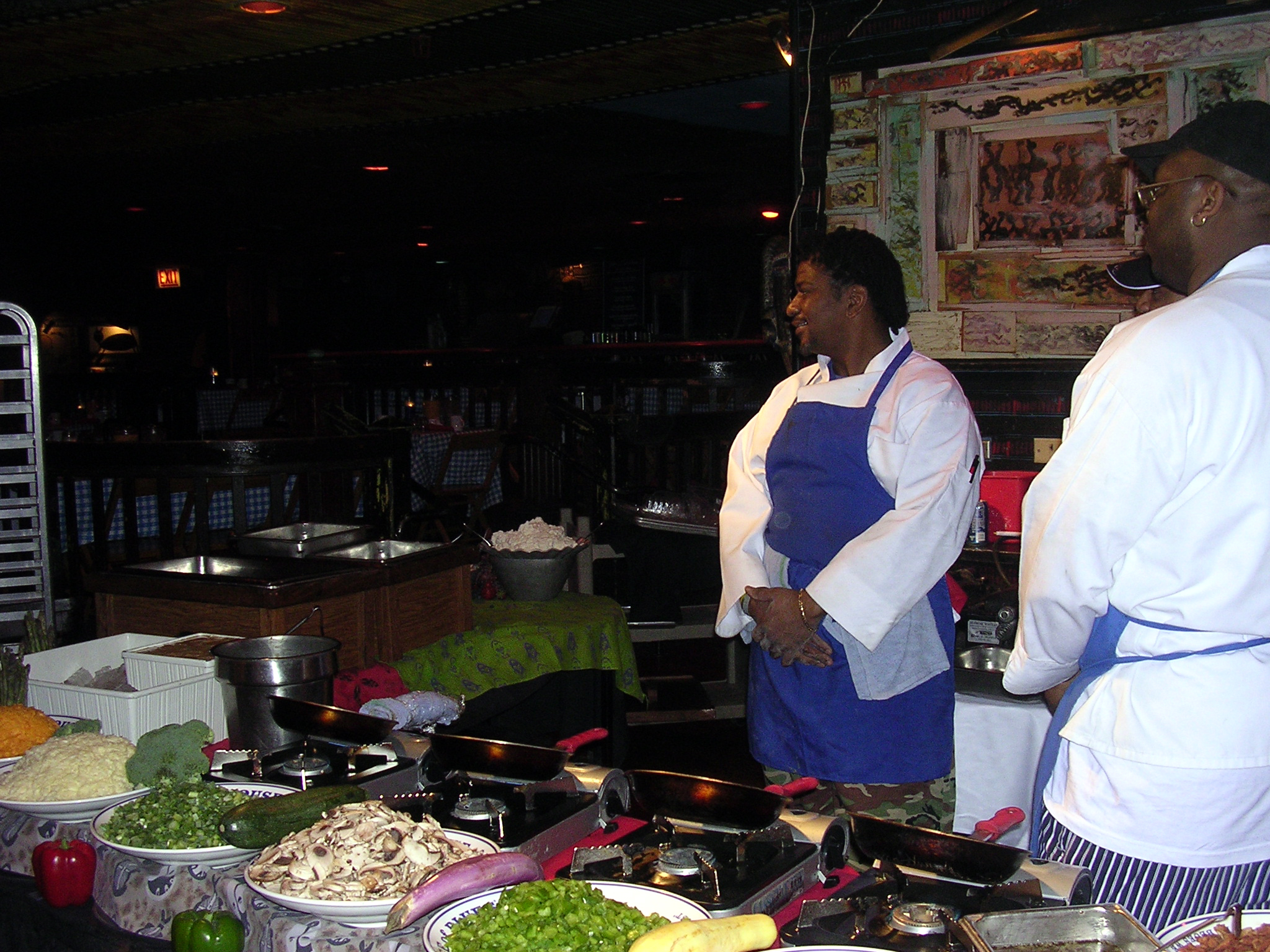
1. Gospel Brunch Series – Helena, Arkansas
In the heart of the Mississippi Delta, Helena hosts monthly Gospel Brunches at a historic Black church, where guests enjoy soul food while listening to live choirs and personal stories about the town’s civil rights history and deep musical roots.
Why it works: Combines spiritual heritage, local cuisine, and community storytelling in an uplifting, inclusive format. Led by locals, for locals—and guests.

2. Pine Needle Basketry with the Coushatta Tribe – Kinder, Louisiana
The Coushatta Tribe offers small-group workshops in traditional pine needle basket weaving, led by Tribal elders and artisans. Guests not only learn the craft, but also hear about its cultural significance and its connection to land stewardship and economic independence.
Why it works: Deeply rooted in Indigenous knowledge, this program empowers cultural continuity and mutual respect through one-on-one interaction.

3. “First Friday Story Nights” – Silverton, Colorado
In this former mining town, the local historical society hosts informal monthly gatherings where longtime residents share personal memories, local lore, and family tales—often accompanied by music, food, and plenty of laughter. Stories are recorded and archived for future generations.
Why it works: No big production—just community memory, kept alive around a table. Visitors are welcome, but it’s the locals who lead.

4. The “Goat Walk” of Monte do Cume – Algarve, Portugal
The tour begins at Quinta Rosa de Victoria, a farm that promotes the cultural and farming traditions of the region. A shepherd invites visitors to walk with his goats through ancient cork forests while sharing stories of transhumance, land stewardship, and traditional grazing practices. The experience ends with homemade cheese, olives, and bread at his farm. Better than goat yoga!
Why it works: It’s deeply personal, place-based, and slow. There are no costumes, no script—just daily life made visible.

5. Slow Food Heritage Tours – Bra, Italy
In the Piedmont town of Bra, where the global Slow Food movement began in the province of Cuneo in Italy, local producers organize seasonal tours and tastings that connect visitors with traditional cheesemaking, bread baking, and wine production. These experiences focus on sustainability, regional biodiversity, and family-run farms that still follow generations-old practices.
Why it works: Anchored in local foodways, the tours are slow, sensory, and deeply connected to place. They also promote environmental awareness and ethical consumption.

6. Slow Craft Weekends – Gotland, Sweden
In the small island villages of Gotland, located in the Baltic Sea off the coast of Sweden, local artisans open their workshops for seasonal “slow craft weekends,” where guests can learn traditional techniques like wool felting, indigo dyeing, wood carving, and limestone sculpture in intimate, hands-on settings.
Why it works: This program supports rural makers, extends the tourism season, and creates lasting relationships between visitor and host.
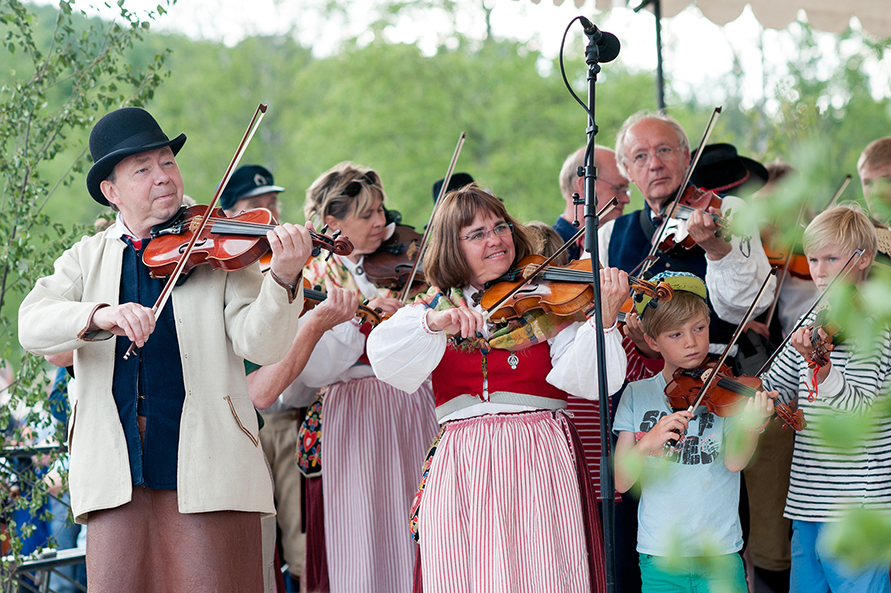
7. Folk Music Farm Residency – Dalarna, Sweden
The rural province of Dalarna (Dalarnas län, Sverige) features rich traditions of instrumental music, especially fiddle tunes, and songs, often with distinct local styles from areas like Orsa and Älvdalen. Key instruments include the fiddle, nyckelharpa, and accordion, with forms like polskas and walking tunes. A small heritage foundation runs residencies for folk musicians on restored farmsteads. Musicians live with host families, give open-air performances, and teach fiddle or kulning (herding calls) to local youth and visitors.
Why it works: Combines cultural exchange, rural revitalization, and seasonal tourism through living tradition and immersive stay.
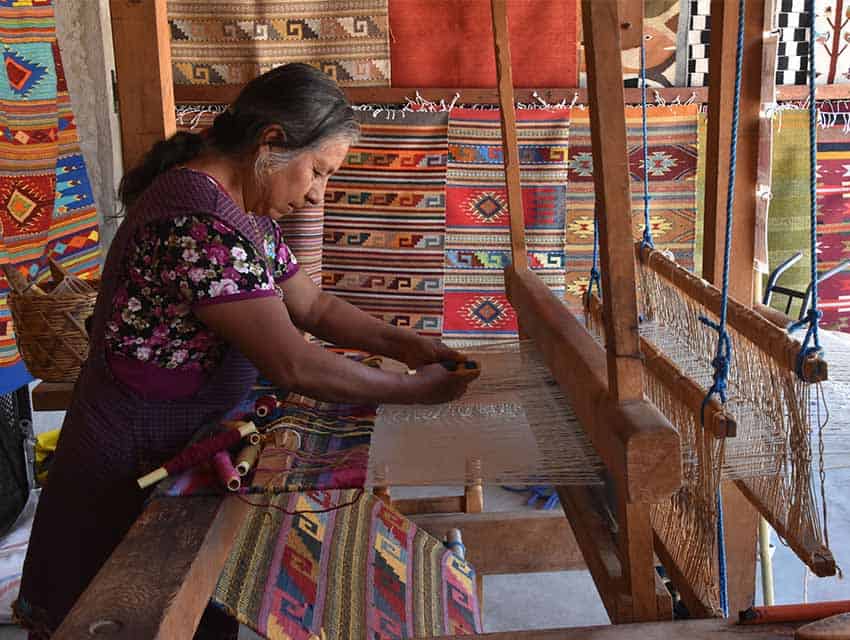
8. Textile Revival & Artisan Workshops – Oaxaca, Mexico
In the mountain villages outside Oaxaca City, Zapotec and Mixtec women lead traditional weaving workshops using backstrap looms and natural dyes. Weavers traditionally use wool from local sheep, which they wash, card, and spin by hand. These programs are part of broader cultural preservation efforts that combine storytelling, land-based knowledge, and indigenous design practices. Many are hosted in family homes, not studios.
Why it works: These experiences are grounded in indigenous identity, women-led entrepreneurship, and intergenerational learning—without being commercialized.
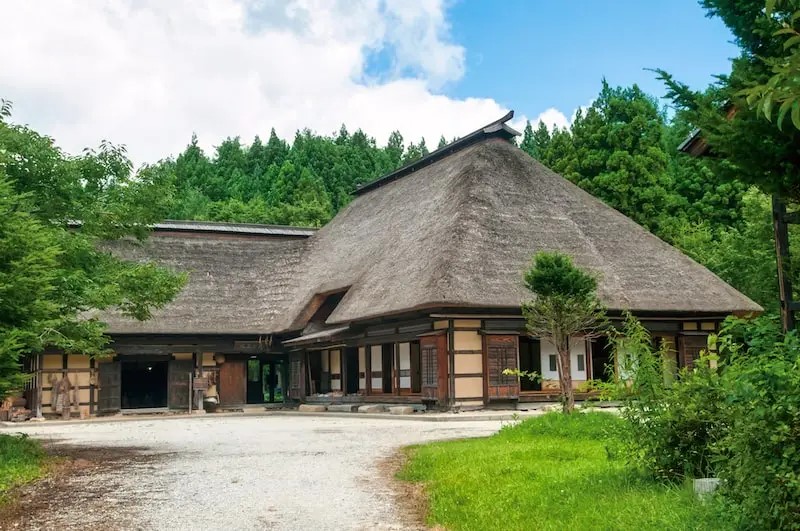
9. Tōno Folklore Revival – Iwate Prefecture, Japan
The city of Tōno, known as the “home of Japanese folk legends,” has become famous for folklore tourism, centered around the tales compiled in the book Tono Monogatari (Tales of Tōno). The community has invested in story-based tourism, where elders tell local legends (like kappa water spirits) during village walks, and youth record and animate these stories for a bilingual mobile app.
Why it works: Combines oral tradition, intergenerational engagement, and tech-savvy storytelling—without losing cultural depth.
Technology can amplify rural stories, but should never replace face-to-face transmission. Digital apps and AR experiences work best when paired with human guides, storytellers, and community-led interpretation. Some of these initiatives may come and go—it’s the nature of incremental change.
| Location | Experience Description | Why It Works | Source/Link |
|---|---|---|---|
| Helena, Arkansas (USA) | Gospel Brunch Series with storytelling and soul food | Combines faith, food, and culture in an inclusive setting | Helena Chamber of Commerce |
| Tōno, Japan | Folklore revival through digital storytelling and events | Intergenerational, tech-enabled cultural transmission | Tōno City Tourism |
| Goat Walk, Portugal | Guided hikes with local shepherds and goats | Combines landscape, tradition, and animal connection | Rota Vicentina |
| Gotland, Sweden | Weekend slow craft workshops with locals | Immersive, seasonal learning rooted in Nordic tradition | Visit Gotland |
| Coushatta Tribe, LA (USA) | Pine needle basket weaving and oral history workshops | Respects Indigenous tradition and supports cultural sovereignty | Koasati Cultural Center |
| Silverton, Colorado (USA) | First Friday Story Nights in historic venues | Revives oral tradition and links newcomers with long-time locals | Silverton Creative District |
| Bra, Italy | Slow Food heritage tours with producers and artisans | Deep sensory and ethical experience rooted in local foodways | Slow Food International |
| Oaxaca, Mexico | Zapotec weaving workshops using natural dyes and looms | Indigenous-led, women-run, deeply tied to land and identity | Taller Teñido Natural |
| Dalarna, Sweden | Folk music farm residencies for musicians and youth | Seasonal, immersive tradition building intergenerational links | Dalarnas Museum |

Conclusion: Authenticity as a Strategy for Belonging
As we close out this month’s series on rural heritage and tourism, one message has echoed through every example, every strategy, every story:
Authenticity isn’t a theme—it’s a thread.
It weaves through the land, the language, the buildings, the recipes, the rituals, and the people. And when it is honored—when it is made visible—it becomes one of the most powerful tools a community has.
In a world that often feels disconnected, overly curated, or rootless, authentic rural experiences offer something rare: genuine connection to place and people. Heritage tourism is more about the heritage than the tourists. This remind us that identity is not a marketing pitch—it’s a lived inheritance. And belonging is not built by branding—but by being known, valued, and invited to participate. (For more on good branding for communities, check out Ryan Short’s new book The Civic Brand, out this week.)
For rural communities, investing in authenticity is more than a tourism tactic. It’s a community development strategy. It builds social cohesion, attracts mission-aligned visitors, supports creative entrepreneurship, and fosters pride that cannot be bought or borrowed. And perhaps most importantly, it creates the kind of places where both residents and guests want to return—not just for the photo, but for the feeling.
In town halls, fields, workshops, and story circles around the world, small communities are proving that authenticity isn’t a luxury—it’s a strategy. And it works.
“It’s not just about bringing tourists in. It’s about helping our kids understand why this place matters—and why it’s worth staying.”
— Community organizer, Helena, Arkansas

Call to Action: Begin Where You Are
You don’t need a perfect plan, a big budget, or a heritage committee to begin working on heritage tourism. You just need a conversation, a commitment, and a little curiosity.
Here’s a starting place:
Ask:
- What are the small moments here that feel meaningful?
- Who carries our stories? Who knows how things used to be done?
- What would we want our children—or our visitors—to understand about this place?
Act:
- Invite elders to speak at the library or school.
- Host a memory night, storytelling walk, or photo exhibit.
- Celebrate a local food or craft with a hands-on workshop.
- Support a youth project that documents oral histories or recipes.
- Map the things people love—not just the “official” sites.
Align:
- Connect with regional tourism or cultural planning initiatives.
- Apply for small grants or partner with nonprofits.
- Integrate heritage into your community vision or comp plan.
Final Thought: The Power of Place
Authentic rural experiences don’t just tell the story of a place.
They help write its next chapter.
They remind us that in the quiet corners of the countryside, in the farms and forests, main streets and memory lanes, there is culture worth keeping.
There is pride worth sharing.
There is identity worth living.
And when communities come together to honor that truth—boldly, honestly, creatively—
they don’t just preserve their past.
They secure their future.

Read More – Resources on Authentic Rural Experiences & Community Identity
Curious to explore more about how authentic, place-based experiences shape rural development and cultural resilience? These books, tools, and case studies offer both inspiration and practical guidance.
Books & Guides
- Edit: Just announced! Authentic America: 250 Distinctly American Places to Explore – Cheryl M. Hargrove
(Pre-order for January 2026 release) - “Cultural Heritage Tourism: Five Steps for Success and Sustainability – Cheryl M. Hargrove
A practical guide for planners, managers, and community leaders with best practices and case studies, from the National Trust for Historic Preservation’s first director of heritage tourism. - Saving America’s Countryside: A Guide to Rural Conservation, 2nd edition – Stokes, Watson, & Mastran
A classic guide detailing strategies for conserving rural landscapes and communities, emphasizing the importance of integrating preservation with sustainable development. - Place, Race, and Story: Essays on the Past and Future of Historic Preservation – Ned Kaufman
Thought-provoking essays on how cultural narratives shape what we preserve—and why it matters. - The Art of Gathering – Priya Parker
While not rural-specific, this book offers powerful insight into how to design meaningful events and experiences. - The Legends of Tono – Kunio Yanagita (translated by R.A. Morse)
This book would become a Japanese literary and folklore classic.
Articles & Case Studies
- “Measuring Economic Impacts of Historic Preservation” (PDF) – A report to the Advisory Council on Historic Preservation by PlaceEconomics
Useful for making the business case for cultural investment in your town or region. - “Is heritage tourism a panacea for rural decline? A comparative study of the Camino de Santiago and the Canal de Castilla in Spain”– Journal of Heritage Tourism (2023)
Study of whether fostering rural tourism by reuse and promotion of heritage has been able to mitigate the demographic decline in a depopulating area of Spain. - “Planning for Heritage Tourism” – Bert Winterbottom, PlannersWeb (1993)
Practical advice for integrating tourism into land use and community development plans.
Tools & Platforms
- StoryMapJS – storymap.knightlab.com
A free tool to create location-based narratives—perfect for mapping local traditions and memories. - The Clio App – theclio.com
An ever-growing digital guide to historical and cultural sites, with content created by communities. - Main Street America – mainstreet.org
A national network helping small towns revitalize through local business, design, and cultural heritage. - National Trust for Historic Preservation – Cultural Heritage Tourism Resources – savingplaces.org
Guides, grants, and how-to articles for communities ready to turn heritage into action.
Tip: Many of these resources are available through your local library system, planning office, or regional development agency. Don’t be afraid to reach out to your state historic preservation office (SHPO) or regional tourism board for additional funding and technical support.
Week 4 – September 2025 | Heritage & Tourism Series
This article is written for rural planners, community leaders, tourism professionals, and anyone involved in cultural heritage work who want to develop meaningful, place-based visitor experiences rooted in local identity.
P.S. Yesterday, 27 September 2025, was National Public Lands Day across the US. Since 1994, Public Lands Day, on the fourth Saturday of September, has been the nation’s largest single-day volunteer effort. According to the National Park Service, last year over 130 national parks hosted events with 7,600 volunteers donating an impressive 41,500 hours of service. I hope you had a chance to get out and experience YOUR Public Lands, wherever you may be.
Catch up on earlier articles in the series:
Week 1: Unlock the Remarkable Power of Heritage Tourism in Rural Communities
Week 2: Reviving Rural America: Why Heritage Tourism Is a Game-Changer Now
Week 3: Small Town Heritage: The Proven Power of Rural Cultural Preservation
Looking for more insights? These resources offer a starting point for anyone working to strengthen policy that works for rural communities—whether you’re a planner, council member, or community leader.
The Best Books for Rural Development and Planning in 2025
Community Guide No. 2: Small Town and Rural Community Guide to Cultural Preservation (PDF) on our Resources page.
(As an Amazon Associate, we may earn commissions from qualifying purchases. Check your local library or bookshop, too.)